- Climate & Environment
-
Pollution
Sustainable Living & City
Climate Change
Air Quality
Urban Planning
Resilient Infrastructure & Safety
Aerosols & Particulate Matters
Toxic Pollutants & Hazardous Substances
Post-Doctoral Fellowships
Spain
Synergistic Understanding of Best Ways to improve Air qualitY in underground rail transport systems (SUBWAY)
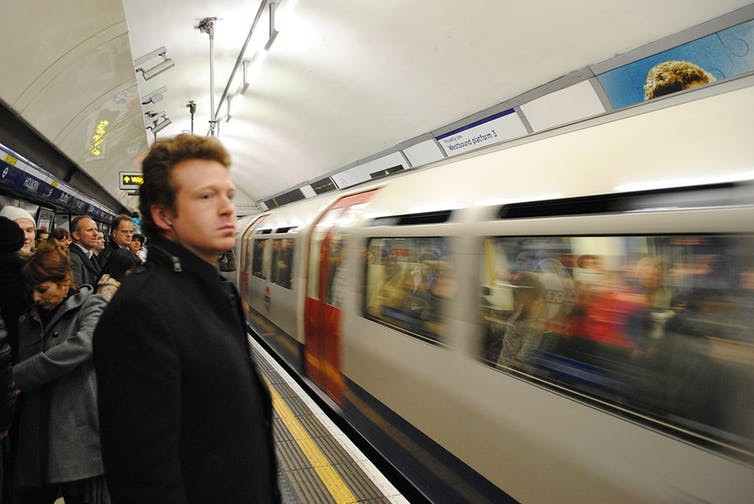
Barcelona is the focus of his project, where almost one-third of the working population commutes by subway each day. Through continuous monitoring of air pollution on platforms and in tunnels, he has been able to identify the contribution of different sources and recommend strategies to reduce it. Tunnel ventilation and station design are the two main factors affecting air quality in the Barcelona subway system, Dr. Amato has found. In stations where panels with doors separate the platform from the rails, he found that passengers were exposed to only half the amount of particle pollutants, compared to traditional, open designs. By providing such concrete advice to managers of urban transport systems, Dr. Amato’s work will help reduce the serious health risks of breathing polluted air for the many millions of passengers using subway systems around the world.
Something in the Air Down There
To add or modify information on this page, please contact us at the following address: [email protected]
Commuting by subway? What you need to know about air quality
In Europe alone, commuters in more than 60 cities use rail subways. Internationally, more than 120 million people commute by them every day. We count around 4.8 million riders per day in London, 5.3 million in Paris, 6.8 million in Tokyo, 9.7 million in Moscow and 10 million in Beijing. > Read the full article

Fulvio
AMATO
Institution
Spanish National Research Council
Natural Resources
Country
Spain
Nationality
Italian
Related publications
Natural Catastrophes
Sustainable Living & City
Societal Challenges
Earthquakes & Seismic Hazards
Urban Planning
Social Justice & Equity
Italy
Catastrophe, emergency and social mobilization: an ethnography of post-disaster in Haiti
Read more

Giovanna
SALOME
Università degli Studi di Messina
Extreme Weather Events
Sustainable Living & City
Floods & Tsunamis
Resilient Infrastructure & Safety
United Kingdom
Assessment of flood embankments integrity using Geophysics and thermographic techniques combined with tracers
Read more

Marcin
ZIELINSKI